








When people talk about labor unions, the conversation usually starts and ends with pay raises, benefits, or strike headlines. But what often gets missed, what rarely shows up in economic forecasts or policy briefs, is the quiet, consistent, and deeply human role unions play in the lives of their members.
Because while unions are powerful at the negotiating table, their hidden strength lies in something harder to quantify: their ability to show up when life gets hard.
Whether it’s an unexpected illness, a family emergency, or a moment of personal crisis, unions aren’t just fighting for better hours or safer conditions. They’re standing beside their members in the moments that matter most, when stability shatters, when support systems fail, and when people need more than a policy. They need people.
Beyond Wages and Worksites
It’s easy to reduce unions to the basics: collective bargaining, dues, and job protections. These things are critical. They provide structure, security, and leverage in an economic system that often favors employers over workers.
But for those who’ve experienced union life up close, the real impact runs much deeper. It’s the way colleagues become community. It’s knowing that when life throws something unexpected your way, there’s a network in place ready to step in, not out of obligation, but out of solidarity.
This kind of support isn’t listed on a benefits sheet, but it’s often what members remember most.
The Safety Net You Didn’t Know You’d Need
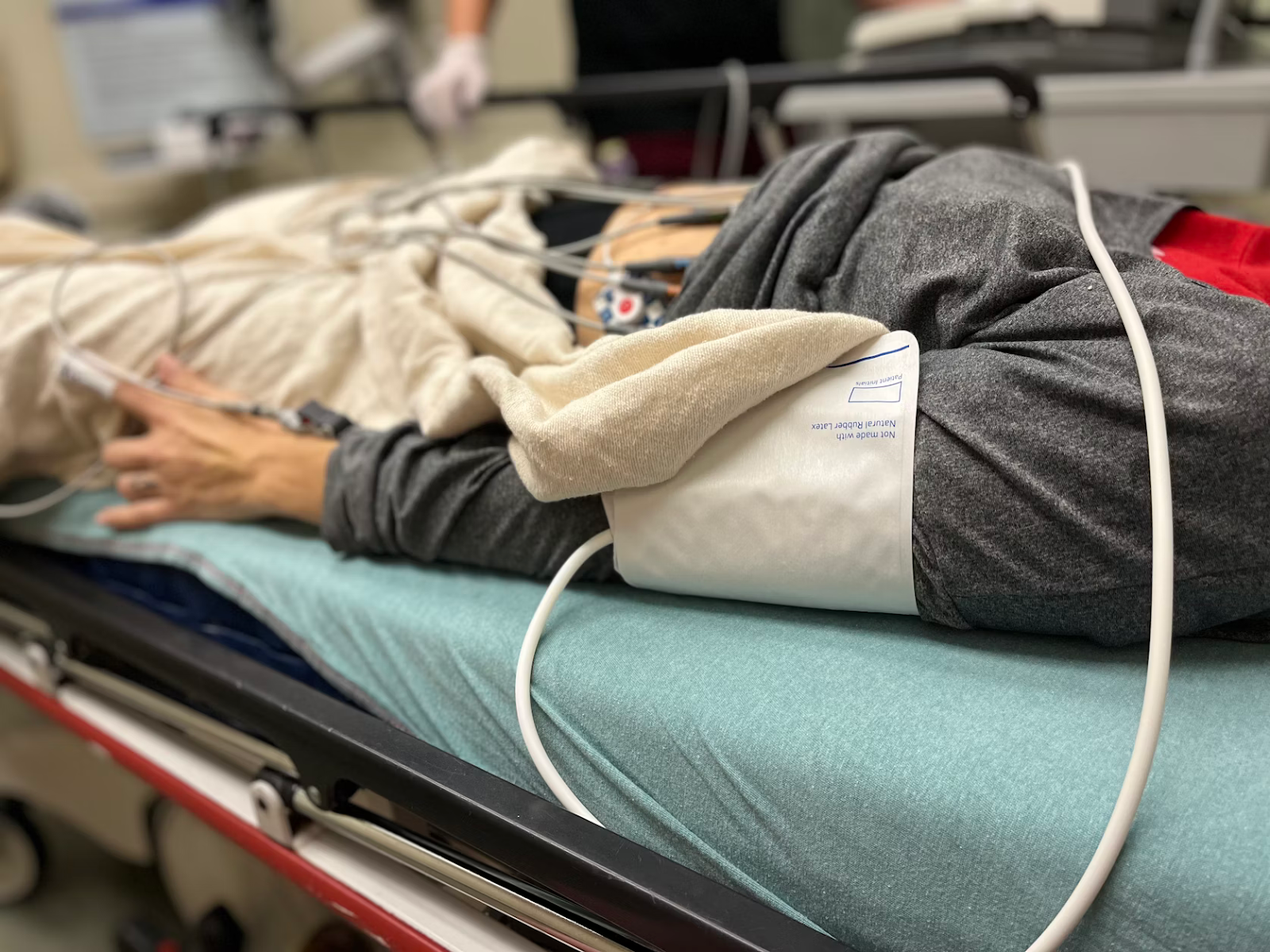
Crises don’t wait for convenient timing. A sudden accident, a house fire, a medical emergency, these moments can throw a working family into disarray, especially when every missed paycheck counts.
Many unions have built-in systems to support members facing these challenges. Emergency assistance funds, peer donation programs, and flexible leave protections provide a cushion when things start to unravel. The goal isn’t just to help members stay afloat financially, it’s to stabilize them emotionally and logistically, too.
Unlike traditional aid programs or employer-based HR solutions, union support is personal. It comes from coworkers, stewards, and fellow members who understand the strain because they’ve lived it too. And that makes all the difference.
Mutual Aid, Not Charity
One of the strongest principles unions are built on is mutual responsibility. The idea is simple but powerful: we’re stronger when we look out for each other.
That philosophy turns into action in countless ways. It’s a coworker donating vacation days so a colleague can take care of a sick child. It’s fellow members organizing a meal train or a fundraiser to support someone recovering from surgery. It’s a steward stepping in to help a member navigate complex medical leave paperwork so they don’t miss critical deadlines.
This isn’t charity. It’s mutual aid. And it’s a safety net created not by institutions, but by people working together with shared understanding and a sense of purpose.
Job Protection in Times of Crisis
When life gets complicated, the last thing anyone should have to worry about is losing their job. Unfortunately, that’s a very real fear for many non-union workers. Without formal protections, even a short-term absence can lead to lost income, or lost employment altogether.
Union-negotiated contracts change that. They often include leave protections for medical or family emergencies, policies for bereavement, and systems that ensure a worker can return to their job after a crisis. And when those policies aren’t enough, union reps often step in to negotiate case-by-case accommodations with employers.
These protections aren’t theoretical. They’re real safeguards that allow working people to care for themselves or their loved ones without risking their livelihood. They offer peace of mind in moments when everything else feels unstable.
Emotional Support That Makes a Difference
Not every form of support is about paperwork or policies. Sometimes, it’s about presence. When someone is going through a crisis, the emotional burden can be overwhelming, and isolating. Unions help alleviate that isolation through community-based care.
A check-in call. A handwritten card. A colleague stopping by just to say, “We’ve got your back.” These acts might seem small, but they remind members that they’re not alone. And in the middle of a difficult season, that reminder is powerful.
Many unions are also increasing access to mental health services, building wellness into their advocacy work, and creating peer-to-peer support groups. Because showing up emotionally is just as important as showing up financially or legally.
The Power of Collective Care
What makes union support unique isn’t just that it’s available, it’s how it’s delivered. With compassion. With urgency. With an understanding that a crisis doesn’t just affect one worker; it ripples through families, teams, and communities.
Union solidarity turns care into a collective act. It says, “Your problem is our problem. Your recovery is our goal.” And it backs that up with action, day after day, worker after worker.
This kind of quiet, behind-the-scenes support rarely makes headlines. But for those who have experienced it, it’s unforgettable.
Final Thought
In a world where so many systems are stretched thin and working people are left to navigate emergencies alone, unions offer something different. They offer community. They offer protection. And most of all, they offer presence.
The hidden strength of unions isn’t just in what they negotiate, it’s in what they do when no one’s watching. It’s in the way they show up when you need them most.
Not as an institution. But as people, standing together, helping each other through, and making sure no one falls alone.