







The relationship between zip code and health outcome is one of the most well-documented and least-addressed realities in American medicine. Where a person lives, and by extension what resources surround them, what food they can access, what stress they carry, and what healthcare is available to them, predicts their health trajectory with uncomfortable accuracy. For chronic wound patients in underserved communities, that relationship is not an abstraction. It shows up in infection rates, in hospitalization numbers, and in amputation statistics that have remained stubbornly disproportionate for decades.
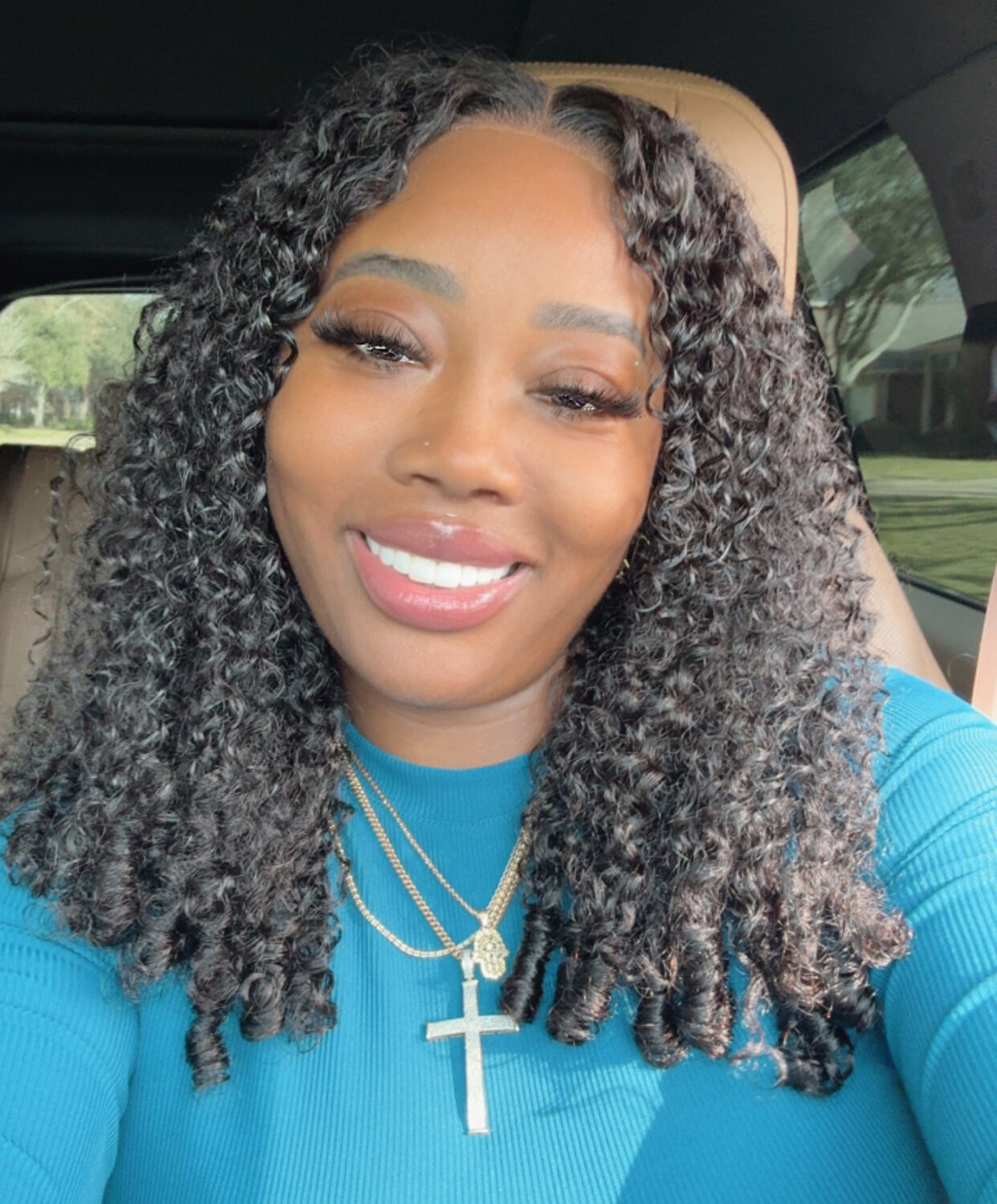
Tashiba Williams, NP-C, grew up in Chicago, trained in its hospitals, and has spent her career in Houston treating the patients those statistics describe. As the founder of ADA Family Health Clinic, a mobile wound care and primary care practice serving patients across Texas and Louisiana, she has built her life’s work around the belief that the gap between who needs specialized care and who receives it is not inevitable. It is a design flaw, and design flaws can be fixed.
A Disparity With a Long History
The data on amputation rates in Black communities is stark and consistent. Black Americans with diabetes are significantly more likely to undergo a lower limb amputation than their white counterparts, a disparity driven by a combination of factors that include higher rates of uncontrolled diabetes, more limited access to preventive and specialist care, and systemic gaps in the follow-up treatment that chronic wound management requires.
Those gaps do not emerge from nowhere. They are the accumulated result of decades of underinvestment in healthcare infrastructure in communities of color, of insurance coverage disparities that limit access to specialists, of transportation barriers that make consistent clinic attendance difficult, and of a healthcare system that has historically been better designed to treat acute crises than to prevent them.
For patients living at the intersection of these factors, the progression from a manageable wound to a life-altering amputation is not a medical inevitability. It is the predictable outcome of a system that was not built to catch them early enough.
Williams has spent her career trying to catch them earlier.
What Barriers to Access Actually Look Like
In clinical terms, the risk factors for chronic wound complications are well understood. Diabetes, vascular disease, obesity, and advancing age all increase a patient’s vulnerability to wounds that do not heal as expected. What the clinical literature captures less cleanly is the compounding effect of access barriers on top of those medical risk factors.
A diabetic patient in an underserved Houston neighborhood may face a referral process that adds weeks to the timeline before they see a wound care specialist. They may lack reliable transportation to attend the appointments that follow. They may be managing multiple chronic conditions simultaneously, leaving them with limited energy and bandwidth to navigate a fragmented system. They may have experienced healthcare encounters in the past that left them skeptical of a system that did not seem designed with their circumstances in mind.
Each of those factors independently increases the likelihood that a wound will worsen before it receives adequate treatment. Together, they create the conditions under which amputations that could have been prevented are not.
Williams built the mobile component of ADA Family Health Clinic as a direct response to that reality. By bringing specialized wound care to patients in their homes and communities, her practice eliminates the logistical barriers that most reliably cause treatment to stall for the populations most at risk.
“Too often, patients reach the point of amputation simply because they didn’t receive specialized wound care early enough,” Williams said. “My goal is to meet patients where they are, treat wounds aggressively and early, and give them a chance to heal before limb loss becomes the only option.”
The Human Cost of the Gap
Behind the statistics are individual patients whose lives have been shaped by whether or not they were able to access consistent wound care at the right moment. Williams has treated more than 343 patients across Texas and Louisiana since launching ADA Family Health Clinic, and among them are people who arrived at her practice having already been told that amputation was a likely outcome.
Several of those patients still have their limbs.
That outcome is not the result of a medical breakthrough or an experimental treatment. It is the result of consistent, specialized care delivered early enough and frequently enough to allow healing to occur. It is what becomes possible when the barriers between a patient and their treatment are removed rather than simply acknowledged.
Williams also prioritizes patient education as a core component of care, working to ensure that patients and their families understand the warning signs of wound deterioration, the lifestyle factors that affect healing, and the steps they can take between visits to support their own recovery. In communities where health literacy has historically been underserved, that education is itself a form of equity work.
Why Proximity Matters
There is something important in the fact that Williams did not design her clinic from the outside looking in. She is a Black woman who has worked in healthcare in Chicago and Houston for more than 25 years, who has treated the patients her clinic now serves, and who built her practice out of a direct and personal understanding of what those patients face.
That proximity to the problem is reflected in every design decision the clinic has made. The mobile model exists because Williams knew from experience that asking vulnerable patients to navigate their way to care was asking many of them to fail. The emphasis on patient education exists because she understood that information is itself a resource that has not been distributed equally. The focus on early intervention exists because she had watched too many times what happens when it arrives too late.
“After years of working in healthcare, I saw firsthand how many amputations, especially among Black patients with diabetes or chronic wounds, could have been prevented with early treatment,” Williams said. “I created a mobile practice that travels to patients who often face barriers like transportation, delayed referrals, or lack of access to specialized wound care.”
Closing a Gap That Should Not Still Be Open
The health disparities that Williams is working to address did not develop quickly and will not be resolved quickly. They are the product of systemic failures that predate her career and will outlast any single clinic. What ADA Family Health Clinic represents is not a solution to a generational problem but a demonstration that the problem is solvable, one patient at a time, when the care is designed around the patient’s actual circumstances rather than the system’s convenience.
Williams has described her vision for the clinic as eventually expanding to a national scale, bringing the mobile model she has developed in Texas and Louisiana to more communities facing the same gaps. If that vision is realized, it will mean more patients caught earlier, more wounds treated before they become crises, and fewer amputations at the end of a chain of failures that should have been interrupted long before.
That is what closing a generational health gap looks like in practice. Not a policy announcement or a funding initiative, but a clinic that shows up at the patient’s door and does the work.