








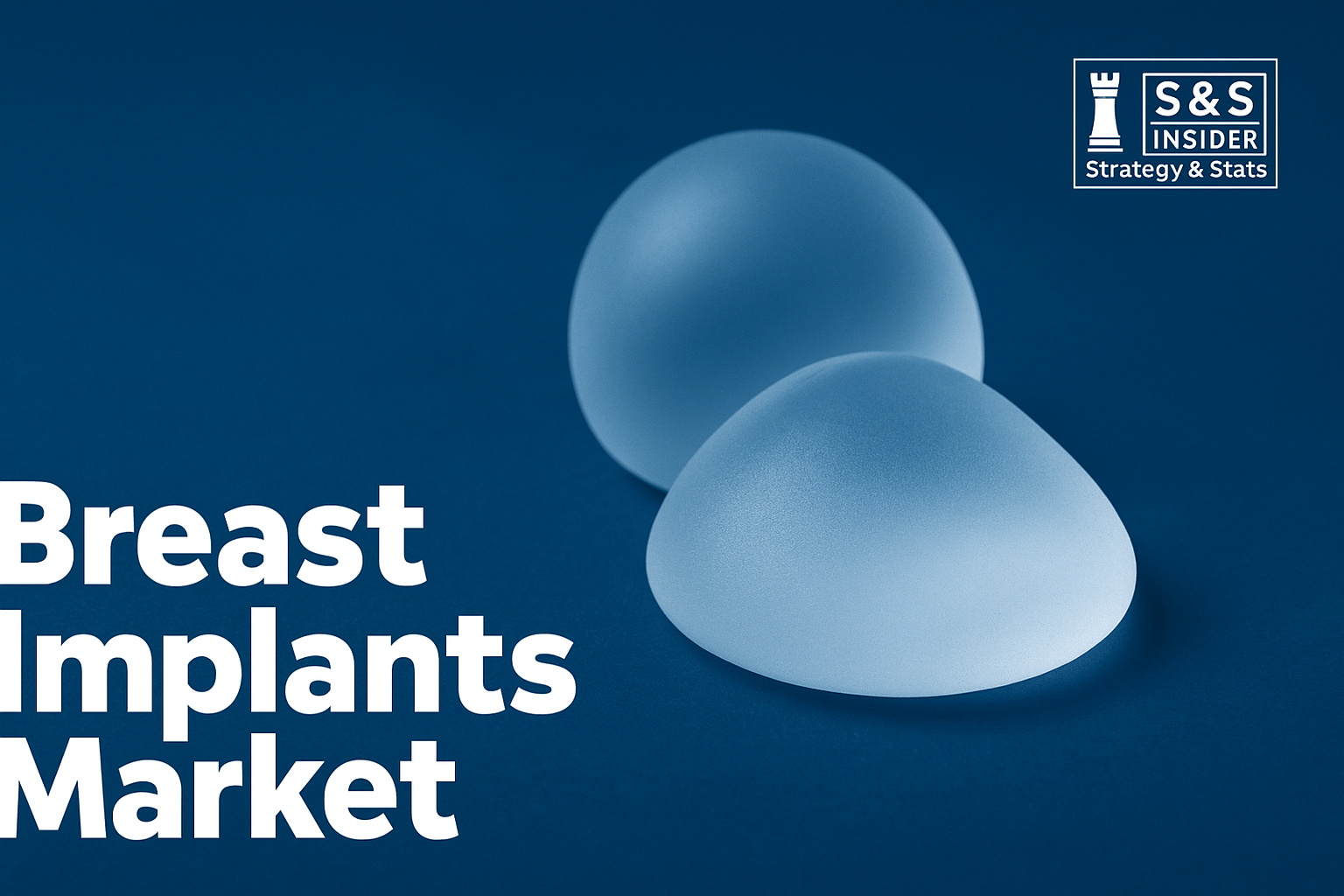
For decades, the global breast implant market has been a tale of two materials: silicone and saline. The competition hinged on feel, safety, and rupture rates. Today, that familiar narrative is being radically rewritten not by material scientists, but by pharmacologists. The industry, long dominated by a handful of established medical device companies, is witnessing a seismic shift as pharmaceutical behemoths enter the fray, pioneering a new class of “device-drug” hybrids that promise to revolutionize patient outcomes by tackling the most persistent challenge in augmentation and reconstruction: scar tissue.
The traditional titans of the market—AbbVie’s Allergan (now part of AbbVie), Johnson & Johnson’s Mentor Worldwide, and Sientra—are now facing innovative competition from companies like Endo International’s Ortho Dermatics and a growing pipeline of biotech startups. These new players are not just selling implants; they are selling solutions, embedding pharmaceuticals directly into the implant ecosystem to prevent Capsular Contracture, a complication where the body’s natural scar tissue tightens and hardens around the implant, often causing pain, deformity, and the need for revision surgery.
According to SNS Insider, The Breast Implants Market is projected to reach USD 5.34 Billion by 2032, and grow at a CAGR of 6.67%. This robust growth is no longer being driven solely by cosmetic demand but is increasingly fueled by technological advancements and the high-value proposition of these new hybrid products. The report highlights that the complication rate from Capsular Contracture, historically occurring in 10% to 30% of patients within the first few years post-surgery, represents the single largest cost and concern for both surgeons and patients, creating a multi-billion dollar addressable market for effective preventative treatments.
The Old Guard and the Persistent Problem
The journey of breast implants has been marked by a relentless pursuit of safety and natural feel. After the silicone implant moratorium in the 1990s, the industry rebounded with stronger, more cohesive silicone gels and advanced shell textures. Companies like Mentor and Allergan invested heavily in their core products—Mentor’s MemoryShape and Allergan’s Natrelle line—which remain market leaders.
However, the specter of Capsular Contracture loomed large. Textured implants were once thought to be the answer, reducing contracture rates by disrupting scar tissue formation. But this solution inadvertently created a new crisis: the link between certain textured implants and Breast Implant-Associated Anaplastic Large Cell Lymphoma (BIA-ALCL). This led to the global recall of Allergan’s BIOCELL textured implants in 2019, creating a crisis of confidence and a vacuum in the market for safe and effective contracture prevention.
“The BIA-ALCL issue was a watershed moment,” explains Dr. Anya Sharma, a leading plastic surgeon and researcher at a top New York hospital. “It forced the entire industry to re-evaluate not just the texture of implants, but the entire biological response to a foreign object placed in the body. We moved from a mechanical solution to a biological one. The focus is now on modulating the healing process at a cellular level.”
The New Frontier: Pharma-Device Convergence
This biological focus is where pharmaceutical expertise becomes paramount. The new wave of innovation involves coating implants with, or irrigating the surgical pocket with, pharmaceutical agents that actively interfere with the inflammatory cascade that leads to excessive scar tissue.
One of the most watched developments is the exploration of antimicrobial and anti-inflammatory coatings. Companies are testing implants coated with substances like minocycline and rifampin, antibiotics that can prevent the formation of bacterial biofilms—a thin layer of microbes now widely believed to be a primary trigger for Capsular Contracture.
Another promising avenue involves drugs that directly target fibroblast activity, the cells responsible for collagen deposition and scar formation. Early-stage clinical trials are investigating the local application of drugs like Tranilast, an anti-allergic and anti-fibrotic agent, and even novel monoclonal antibodies delivered via a slow-release polymer mesh placed around the implant.
“These are not your grandfather’s breast implants,” says Michael Thorne, a medical device analyst at GlobalData. “We are seeing a true convergence of the device and drug sectors. The value is shifting from the physical prosthesis itself to the proprietary pharmaceutical technology that ensures its long-term success. A company with a strong drug-delivery platform and a proven, FDA-approved contracture-prevention system could capture a dominant market share almost overnight.”
Market Dynamics and the Race to Market
This shift is altering the competitive landscape. Established players are responding aggressively through both internal R&D and strategic acquisitions.
- Mentor Worldwide (J&J): Leveraging the vast research infrastructure of its parent company, Johnson & Johnson, Mentor is advancing its own drug-coated implant program, rumored to be in late-stage preclinical trials.
- AbbVie (Allergan): In the post-recall era, AbbVie is investing heavily to rebuild its franchise. Their strategy includes developing a new generation of smooth implants with a proprietary “bio-barrier” coating designed to minimize immune response.
- GC Aesthetics (GCA): A smaller but innovative player, GCA has been pioneering the use of a unique surface technology on its implants, which it claims reduces bacterial adhesion and, consequently, contracture rates.
Meanwhile, smaller biotech firms, flush with venture capital, are acting as agile disruptors. Companies like Scarless Therapeutics and FibroCure Inc. are developing standalone topical solutions and implantable drug-eluting sleeves that can be used with any manufacturer’s implant, potentially creating a new, lucrative ancillary market.
The Future: Personalized Implants and Beyond
The long-term implications are profound. The success of these device-drug hybrids could pave the way for an era of personalized breast implants. Imagine a future where an implant is selected not just for its size and profile, but for its specific pharmaceutical coating, tailored to a patient’s unique genetic predisposition to inflammation or scarring.
Furthermore, the technology developed for breast implants has significant potential for spillover into other medical implant fields, including pacemakers, joint replacements, and artificial hips, all of which are susceptible to similar fibrotic complications.
As the global market marches toward that $5.34 billion valuation, the race is no longer about who can make the softest silicone gel. It is a high-stakes battle of biotechnology, a contest to see which company—be it a seasoned device maker or a nimble pharmaceutical innovator—can most effectively hack the human body’s healing process. The winner will not only claim a lion’s share of a booming market but will also define the standard of care for a generation of patients seeking safer, more predictable, and longer-lasting outcomes. The age of the “smart” implant has unequivocally begun.