








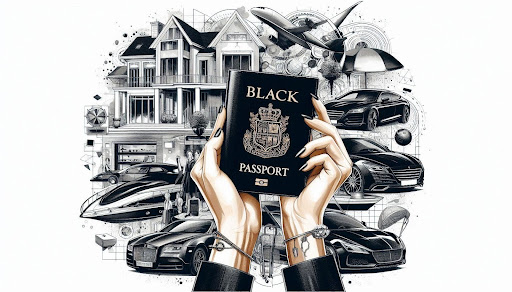
A clearer look at what a black passport means, who carries it, and why the document is linked to official state representation rather than ordinary personal travel or private status.
WASHINGTON, DC6.
When people search for the meaning of a black passport, they are usually trying to understand a diplomatic travel document that is associated with government service, official assignments, and the formal business of state representation abroad. In everyday conversation, the phrase sounds mysterious and exclusive, but the real explanation is much less cinematic and much more administrative, because the document exists to identify certain travelers as people moving under official government authority.
In the United States, the clearest public explanation comes from the State Department’s special issuance passport guidance, which explains that diplomatic passports are issued only to defined categories of government personnel, certain titled officials, and some eligible family members connected to official overseas duties. That guidance is important because it immediately cuts through one of the biggest myths surrounding black passports, which is the false idea that they are luxury travel documents for wealthy people, politically connected individuals, or private citizens who simply want a more powerful booklet.
The term black passport is popular, but the color is only part of the story.
The phrase black passport has become a powerful search term because many countries use dark or black covers for diplomatic passports, which makes the document look visually distinct and politically significant the moment someone sees it. Yet the legal significance does not come from the color of the cover alone, because diplomatic travel documents are defined by the status of the bearer, the authority that issued the passport, and the official role that justifies its use.
That distinction matters because the public often mistakes visual symbolism for legal force, and that confusion has fueled years of exaggerated internet claims about what diplomatic passports can actually do at borders and in foreign jurisdictions. A black cover may signal that the document belongs to a diplomat or another official traveler, but the true power behind the passport lies in the state relationship, accreditation process, and mission assignment that stand behind the booklet.
Who carries a black passport depends on official role, not personal preference.
A diplomatic passport is generally carried by diplomats, senior government representatives, accredited envoys, and certain other officials whose jobs require formal travel on behalf of the state rather than for personal convenience or private tourism. That means the document is tied to institutional need, which is why it is usually issued for the duration of a qualifying role or assignment and can be withdrawn when the official basis for holding it ends.
This is also why ordinary businesspeople, frequent travelers, and affluent international families do not simply apply for diplomatic passports in the way they would apply for a regular passport or a visa. Governments issue diplomatic passports because they need certain representatives to move through the international system in a clearly identified official capacity, not because the document is a prestige accessory or a premium travel upgrade.
A diplomatic passport does not automatically create diplomatic immunity.
This is the point that matters most, because many people assume the passport itself creates legal protection everywhere the holder goes, when the reality is much narrower and far more dependent on recognized diplomatic status. The State Department makes that distinction directly by warning that a special issuance passport is not valid for personal travel and does not, by itself, create diplomatic immunity, which means the booklet alone is never the full legal answer.
That same separation between passport possession and legal protection has appeared in real-world reporting, including an Associated Press report on a U.S. court rejecting a diplomatic immunity claim, which showed how courts examine status, role, and recognition rather than treating the diplomatic label as an automatic shield. In other words, the black passport may open a legal conversation about status, but it does not end that conversation by itself, and it certainly does not place every bearer beyond the reach of host-country law.
The real legal question is whether the traveler is recognized as performing official functions.
Diplomatic immunity is tied to international law, host-country recognition, and the official functions a person is carrying out, which means governments and courts look well beyond the passport cover when deciding what protections actually apply. A traveler may possess a diplomatic passport and still face limits, scrutiny, or legal exposure if the trip falls outside recognized official duties, if the host country does not accept the claimed status, or if the person is no longer serving in the relevant role.
That practical reality is far less glamorous than the mythology surrounding black passports, but it is also much more useful for anyone who wants to understand how diplomatic travel really works in 2026. The document identifies the bearer as someone traveling under a certain official framework, yet the privileges attached to that framework depend on a larger diplomatic structure involving postings, visas, notifications, reciprocity, and state-to-state recognition.
Why the black passport has become a symbol far bigger than the booklet itself.
The black passport has taken on an outsized symbolic role because it sits at the intersection of law, diplomacy, secrecy, and public fascination with elite access, and that combination always attracts speculation. Films, television dramas, political scandals, and online misinformation have all helped create the impression that anyone holding a diplomatic passport can ignore ordinary legal rules, cross borders untouched, and operate under a permanent cloak of international privilege.
In practice, the truth is far more procedural and far less romantic because diplomatic travel remains deeply regulated and highly dependent on paperwork, diplomatic channels, and official recognition. The reason the document still captures so much attention is not that it suspends reality, but because it signals that the bearer belongs to a narrow category of people whose movements are directly connected to the machinery of the state.
Why governments issue these documents in the first place.
Governments issue diplomatic passports because international diplomacy still requires people to travel formally as representatives of the state, whether they are negotiating, serving at missions abroad, attending summits, or carrying out other recognized official duties. The passport helps identify that role quickly and clearly, which can matter when officials move through immigration systems, apply for visas, or engage with foreign ministries and host-country authorities.
The purpose is therefore institutional rather than personal, which is why a diplomatic passport should be understood first as a state tool and only second as a travel document. It exists to support the functioning of diplomacy, and that is precisely why governments are careful about who receives one, how it is used, and whether the trip fits the official purpose that justified issuance in the first place.
Misunderstanding the black passport can create costly assumptions.
One reason this topic matters beyond curiosity is that bad information about diplomatic passports can encourage reckless assumptions about travel, legal exposure, and personal protection in foreign countries. Someone who believes a diplomatic passport automatically blocks arrest, questioning, customs enforcement, or local jurisdiction may make disastrous decisions based on a fantasy version of the international system rather than the documented reality.
That is especially true in an era when airports, border systems, and law-enforcement databases are far more integrated than many travelers appreciate, and when claims of special status are often checked rather than simply accepted at face value. The black passport may still carry prestige and visibility, but prestige is not the same thing as legal invulnerability, and confusion between those two ideas has repeatedly caused trouble for public figures and state-connected travelers alike.
The private fascination with diplomatic passports keeps growing.
Outside government circles, public curiosity about diplomatic documents has grown because the broader conversation around mobility, privacy, second citizenship, and international status has expanded dramatically during the past several years. That curiosity has also fueled advisory commentary from private firms, including Amicus pieces on diplomatic passports and immunity and what to know about diplomatic passports, which reflect how intensely this subject continues to attract interest beyond traditional diplomatic audiences.
That attention is understandable, because diplomatic passports sit inside a wider cultural fascination with documents that appear to signal exceptional access, reduced friction, and political importance at a time when global movement feels increasingly regulated and scrutinized. Even so, readers should separate public fascination from legal reality, because the legal framework governing these documents is much narrower and much more formal than popular storytelling usually suggests.
What a black passport really means in plain language.
In plain language, a black passport usually means the bearer is traveling on some form of official government business, or at least holds a document that is associated with that category of state service and diplomatic function. It does not mean the holder can travel anywhere without restriction, ignore local law, or claim personal immunity whenever a dispute, criminal allegation, or customs issue arises during an international trip.
That clearer explanation is less dramatic than the myths people often encounter online, but it is also closer to how ministries, border authorities, and courts actually think about the document. The passport is best understood as a formal identifier of official role and state representation, while the real legal consequences depend on recognition, assignment, diplomatic standing, and the specific context in which the traveler appears.
The black passport remains powerful, but only within the system that gives it meaning.
The enduring mystique of the black passport comes from the fact that it visibly represents the authority of a state, and symbols of state power always attract public fascination, speculation, and misunderstanding. Yet the document has meaning only because governments, treaties, diplomatic protocols, and host-country recognition give it meaning, which is why the booklet cannot be separated from the legal and political structure surrounding it.
That is the cleanest answer to the question people keep asking, because a black passport is not a private shortcut to immunity or a glamorous loophole in international law. It is a specialized diplomatic travel document tied to official representation, and its real significance begins not with the cover color itself, but with the government purpose, recognized status, and formal state role behind the person carrying it.