








An expanding market shaped by demographic shifts, rising chronic disease prevalence, and the normalization of long-term care
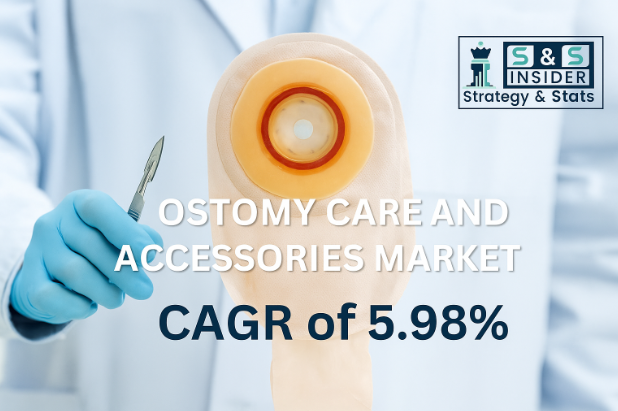
The Ostomy Care and Accessories market is emerging from the shadows of niche medical supplies into a steadily expanding healthcare segment. Valued at USD 3.57 billion in 2023, the market is forecast to grow to approximately USD 6.01 billion by 2032, reflecting a compound annual growth rate (CAGR) of 5.98% over the 2024–2032 period. This steady expansion mirrors broader demographic and epidemiological trends: aging populations in many regions, increasing survival rates for cancers and inflammatory bowel diseases, and a growing emphasis on quality of life and patient independence following surgery. As ostomy care becomes less stigmatized and more integrated into routine post-operative pathways, demand for reliable, discreet, and user-friendly accessories continues to rise.
How patient-centred care and product design are reshaping demand for ostomy accessories
At the heart of the market’s progression is a shift toward patient-centred care. Patients and caregivers increasingly expect products that do more than perform basic functions; they want items that enable mobility, discretion, and dignity. This expectation drives manufacturers to focus on ergonomics, skin-friendly materials, and compact packaging that supports active lifestyles. While the market size numbers quantify financial growth, they also reflect qualitative changes in user behavior: individuals are more likely to seek products that allow them to resume work, travel, and social activities with minimal interruption. The result is a more sophisticated accessories ecosystem — from advanced adhesives and skin barriers to accessories that enhance comfort and concealment — which collectively contributes to market value and sustained uptake.
Regulatory, reimbursement, and distribution dynamics that influence regional growth patterns
Regional variations are prominent in ostomy care consumption. Developed markets with established reimbursement frameworks and mature home-healthcare networks typically show higher per-capita spending on premium accessories. By contrast, developing regions are witnessing faster percentage growth as access improves and awareness campaigns reduce stigma, but absolute spend remains lower. Reimbursement policies, hospital procurement practices, and the strength of community nursing networks shape adoption curves. Where insurers or national health services cover ostomy supplies, patients are more likely to access higher-quality accessories that, over time, reduce complications and readmissions. Conversely, where out-of-pocket costs are high, demand tends toward lower-priced alternatives, which can affect overall market revenue composition even as volumes grow.
Innovation, supply chain realities, and the balance between affordability and performance
Technological and material innovations contribute to market expansion without always requiring dramatic price increases. Advances in hydrocolloid adhesives and breathable barriers have improved adhesion and reduced skin irritation, while manufacturing efficiencies have brought some improved items within reach of more patients. However, the market’s growth trajectory is also tempered by supply chain realities: medical-grade material sourcing, regulatory approvals, and the need for consistent quality control can create cost pressures. Companies that balance innovation with scalable manufacturing and accessible price points often capture larger market share. Likewise, partnerships with home-health providers and patient advocacy groups can accelerate uptake by building trust and ensuring proper use of products.
Addressing stigma, training, and caregiver support as non-product drivers of market expansion
The market’s numeric growth to USD 6.01 billion by 2032 does not stem solely from product innovation. Social and educational factors have a powerful influence. As clinical teams place greater emphasis on preoperative counseling and postoperative training, patients leave hospitals better prepared to manage stomas at home. Improved caregiver education and remote monitoring tools reduce complications and product wastage, indirectly supporting market growth by increasing sustained product use rather than episodic purchase. Simultaneously, broader public awareness campaigns and peer support networks reduce stigma, making patients more willing to seek specialized accessories that improve comfort and lifestyle.
Challenges ahead: affordability, geographic disparities, and persistent clinical hurdles
Despite positive momentum, the ostomy care market faces challenges that could constrain accelerated growth. Affordability remains a concern in many regions, particularly where out-of-pocket payments dominate. Geographic disparities in access to trained ostomy nurses and follow-up care create uneven outcomes that influence long-term product use. Clinical complications such as peristomal skin disorders still occur and can undermine patient confidence in accessories, underscoring the need for ongoing clinician education and robust product testing. Addressing these barriers will be essential to sustaining the nearly 6% CAGR projected through 2032.
Looking forward: a market that reflects human needs as much as technology
The projected growth from USD 3.57 billion in 2023 to USD 6.01 billion by 2032 underlines a market evolving beyond mere utility into one that addresses dignity, mobility, and long-term wellbeing. Success in this market will increasingly depend on a holistic approach: accessible pricing and reimbursement, clinician and patient education, smart product design, and supply chains that ensure quality and availability. When industry players, healthcare systems, and patient communities align around these priorities, ostomy care becomes not just a category of medical supplies but a meaningful contributor to post-surgical recovery and sustained quality of life. The numbers point to clear growth; the real opportunity lies in translating financial expansion into better everyday experiences for millions of people living with stomas.