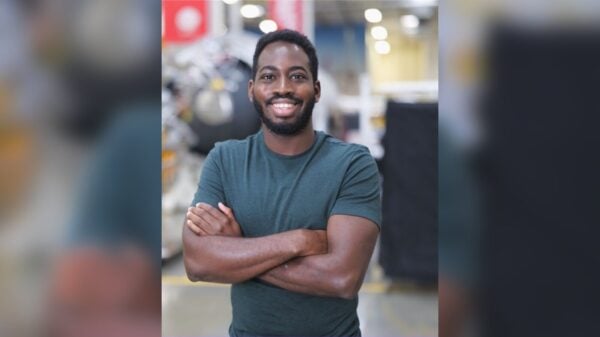





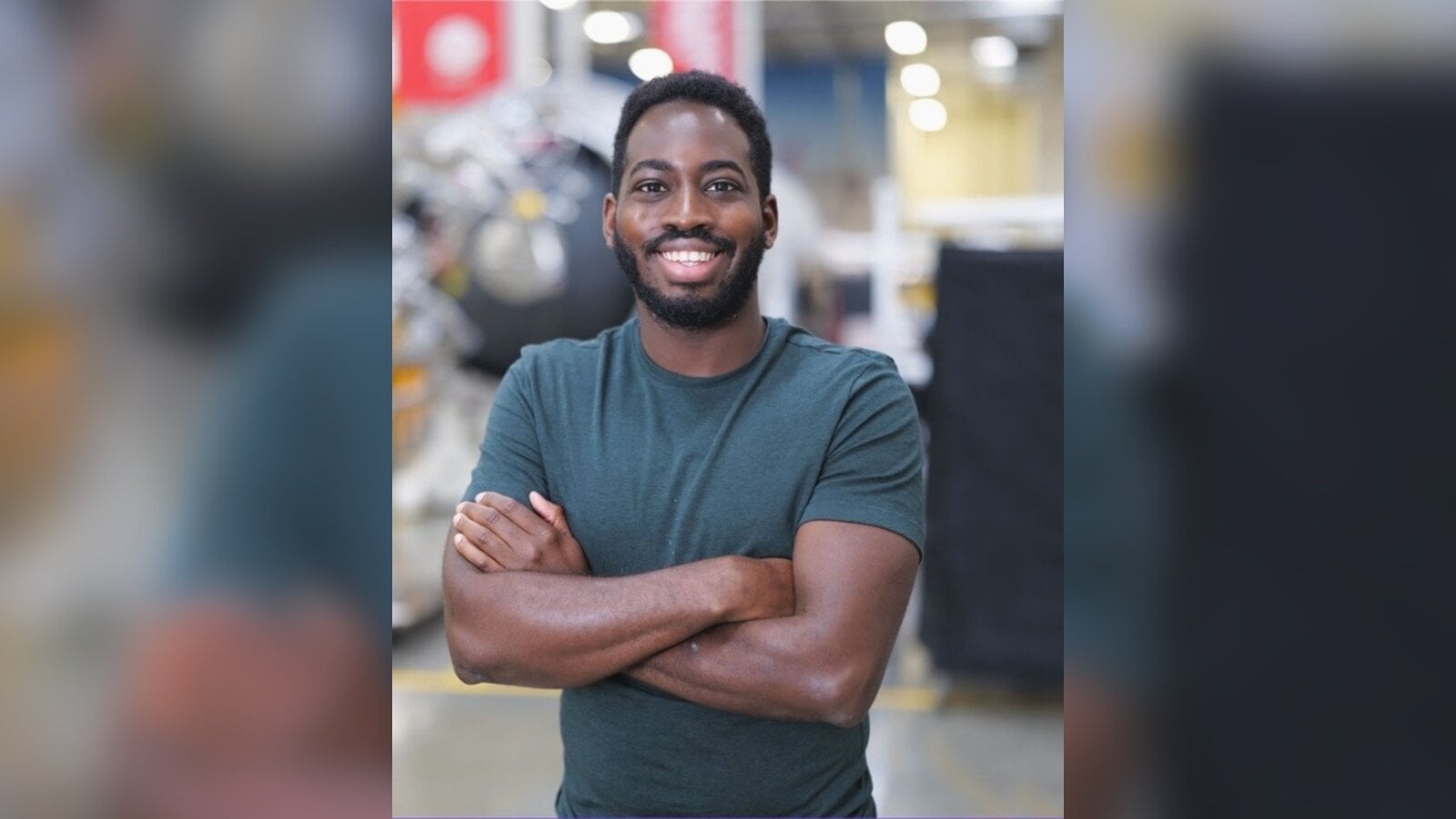
Oluseun Taiwo did not set out to run a manufacturing company. As a young man he wanted to fly planes. His parents, first-generation immigrants, saw engineering as the steadier path and made him an offer: they would pay for his tuition if he studied it.
He took the deal. Taiwo studied manufacturing engineering with a minor in mechanical engineering in Illinois, and the bargain ended up shaping a career that kept him close to aircraft and rockets anyway.
Printing rocket engines at 21
At 21 he moved to Southern California to work on rocket engines at Rocket Lab USA, redesigning complex components so they could be 3D-printed in metal. He went on to work in additive manufacturing at Virgin Orbit during its LauncherOne program, and later at 3D Systems.
That stretch taught him where the real constraint in aerospace sat. He has said the launch business needed to build something like 30 rockets a year for the model to work, while the team was producing closer to three. The rockets were not the problem. Making them fast enough was.
“We were doing maybe three a year, which was never good enough.”
He also watched robots start to change how engines were made, and saw that the same shift could apply far beyond rockets: to ships, energy infrastructure and defense hardware.
From idea to company
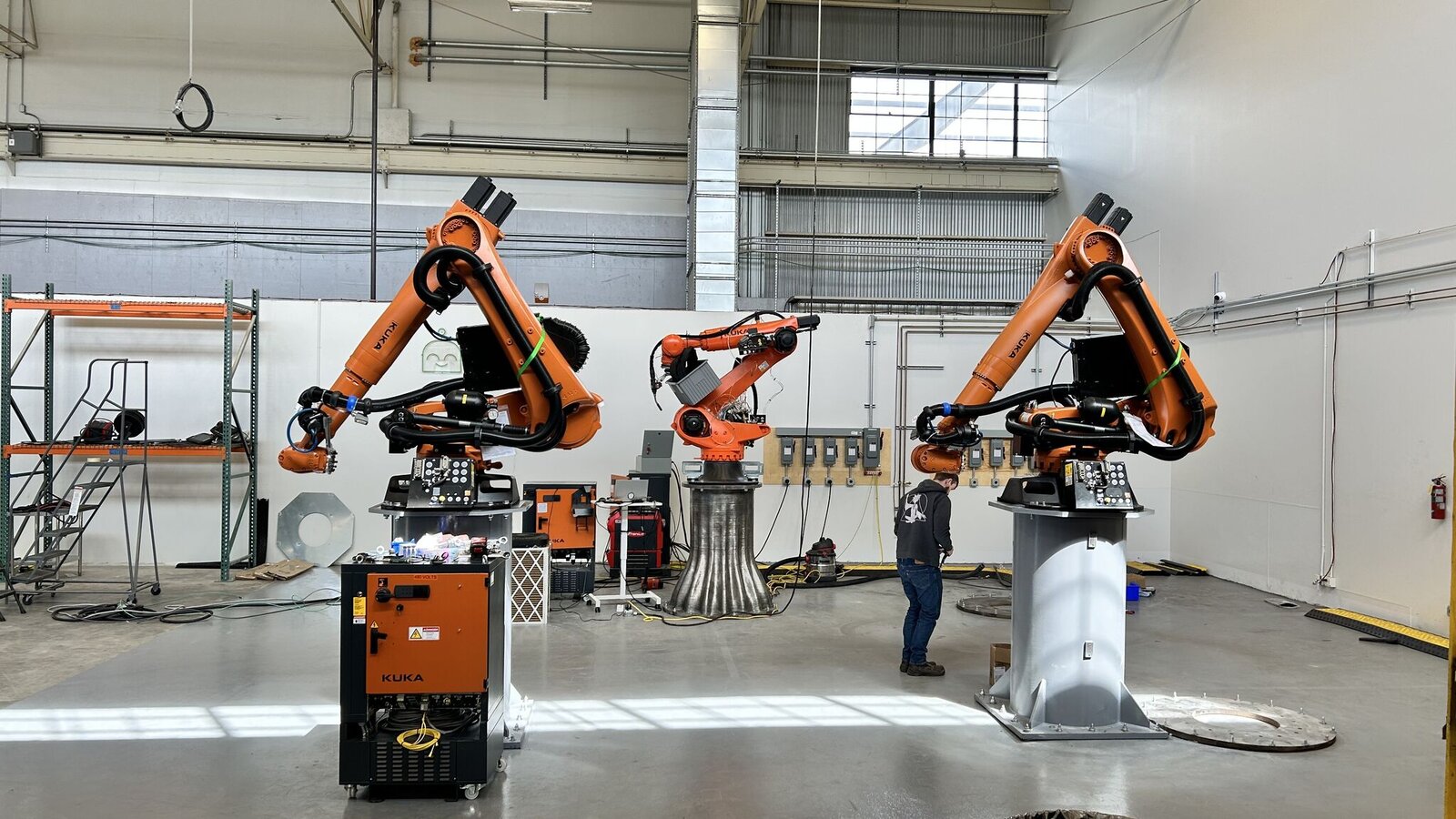
Taiwo founded Solideon in 2021. The company combines standard industrial robot arms with its own software to produce large metal structures, and it is built so that an operator without an engineering degree can run it. Forbes later named him to its 30 Under 30 list.
The business has followed the money and the need. Early work spanned aerospace, energy and automotive. Today the main focus is on making parts at the edge for the Department of Defense, with an Air Force contract, a Navy exercise and a Norfolk defense facility behind it.
Taiwo has never lost the flying instinct, only redirected it. He describes the Moon and Mars as the company’s north star, and he is candid about how far the plan reaches. If the robots get good enough, he jokes, the company won’t need him anymore.
“You can fire me at that point. Because I made it.”
For someone who once traded the cockpit for a tuition deal, it is a fitting idea of success: build the thing so well that it runs without you.